
Research use resources
How to choose a research peptide supplier: a checklist
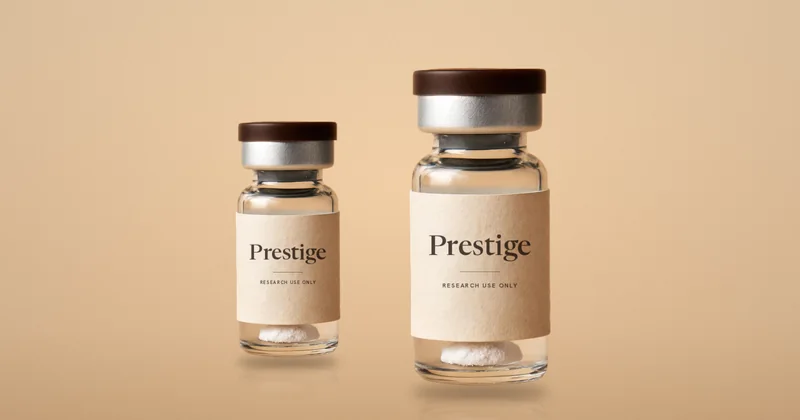
Anyone can put a vial on a website and call it tested. If you are deciding where to buy research peptides, the difference between stores is in what they can show you before you pay. This checklist is the one we would use ourselves. Every point is something you can check on a store’s own pages in a few minutes, on our store or any other.
The short version
If a store can’t show these four things, the price doesn’t matter.
1. A lab report you can open before you buy
Look for the report itself, not a badge that says “tested”. A real report names the lab, the sample, the method and the date, and it belongs to one product in one size. A report for a 10mg vial tells you nothing about a 30mg vial of the same compound. If the store only sends reports on request, ask for one before you order and see how long it takes.
2. A lab with a name, and a report you can verify
The report should come from a laboratory that is separate from the seller, and it should carry something you can check: a report number, a verification page on the lab’s own website, or a contact at the lab. A store testing its own material and grading itself is not the same thing.
3. Purity, identity and content, all three
Purity (by HPLC) is the share of the material that is the main compound. Identity (by mass spectrometry) confirms that compound is the right molecule. Content is how many milligrams the lab found in the vial. A store that shows only a purity percentage has shown you one third of the picture. Our guide Purity vs content explains why a vial can test at 99% purity and still hold less than its label says.
4. A lot number on the label that matches the report
A report describes one batch. The only way to know it describes your vial is a lot number printed on the label that matches the lot on the report. No lot number on the vial means the report could be from any batch, or from years ago.
5. Dates that make sense
Check when the sample was tested. A report from long before the product was listed, or the same report reused across many batches, is a reason to ask questions.
6. Plain facts about shipping, returns and support
Look for a shipping policy with real carriers and prices, a return policy in writing, and a way to reach a person: a phone number, an email address, an actual location. Stores that plan to be around next year publish these.
7. Research use stated clearly
Research peptides are sold for laboratory research only. A store that says so plainly, and doesn’t make promises about results in people, is following the rules that keep it in business. A store that makes those promises is taking risks with its customers and its own future.
How our own records meet the checklist
We hold ourselves to the same list, and you can check each point on our pages:
- Lab reports are linked on the product pages, per size, and listed together on our research materials page. Where a size has no report linked yet, the page says so; we don’t borrow a number from another size.
- The reports name the laboratory, and results show purity, identity and the content the lab measured where the report includes them.
- Every label carries a lot number. Labels with our code open that lot’s lab result when you scan them.
- Shipping prices, the 30 day return policy and our phone number and email are on the site: see shipping and contact.
To see what a report should look like, start with How to read a peptide lab report, then open any report for our research peptides in stock and compare. New lots are tested by ILS Laboratories: How to read an ILS Laboratories COA.
Common questions
Is the cheapest store the best place to buy research peptides?
Price only means something after the four checks above. A low price on a vial with no report for its lot is a price for something unknown.
What purity should a research peptide have?
Many reports show 98% or higher by HPLC. The number that matters is the one on the report for the exact product, size and lot you are buying, read together with identity and content.
Can I ask a store for a report before ordering?
Yes, and a good store answers quickly. Ours are on the product pages; if you need documentation for a lot that isn’t listed, contact us.
A report records what a lab measured. It doesn’t approve a material for any use. Our products are sold for laboratory research only, not for human or animal use.